The Technology Overview

What is ACCSION: A Game-Changer for European Decarbonisation

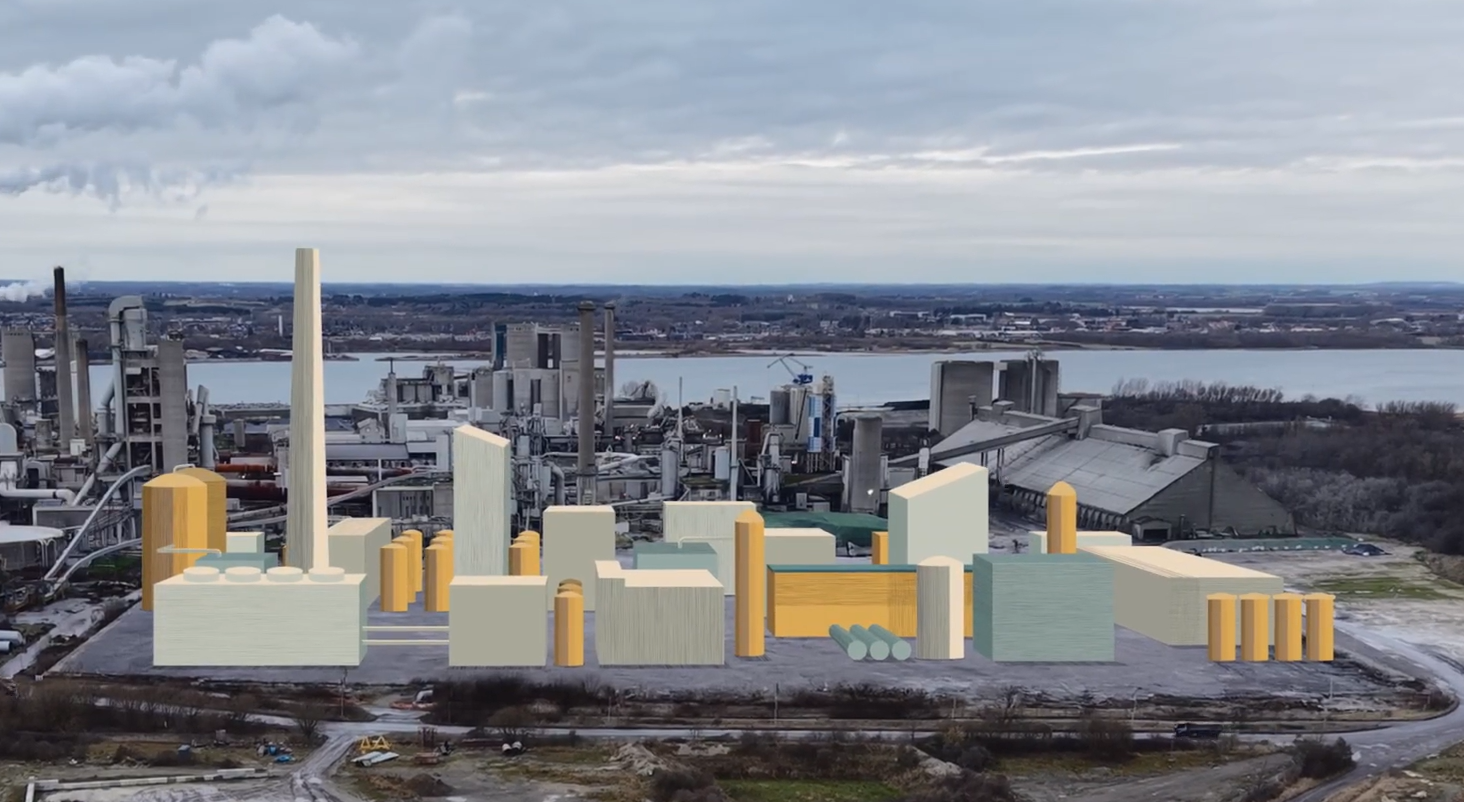
ACCSION (Aalborg Portland Carbon Capture & Storage using Infrastructure Onshore in North Jutland) is Aalborg Portland’s flagship decarbonisation project. To realise this monumental initiative, Aalborg Portland has engaged global industrial gas leader Air Liquide as technology partner to design and build the state-of-the-art 50,000 m² capture facility.

Want to look under the hood? Explore how next-generation engineering, advanced cryogenic separation, and permanent geological storage come together below to capture up to 1.4 million tonnes of CO₂ annually.

Inside ACCSION

Watch Sustainability Project Manager Søren Konstmann Lausen walk through how Aalborg Portland is transforming cement production. Discover how the 50,000 m² capture facility integrates directly with production lines to capture up to 1.4 million tonnes of CO₂ annually, establishing Europe’s first integrated onshore value chain.

”"With the ACCSION-project, we are now taking the single biggest step in our history—capturing, compressing, purifying, and storing CO₂ underground to move towards truly CO₂-neutral cement."

Søren Konstmann Lausen, Sustainability Project Manager, Aalborg Portland
From Cement Production to Safe Storage

Our carbon capture facility represents a decisive step toward a more sustainable cement production. By capturing CO2 directly from our production processes and transporting it for permanent storage, we significantly reduce our environmental footprint. Explore the 5 steps of the process below – from emission capture to final geological storage.

1

Flue Gas Diversion & Integration

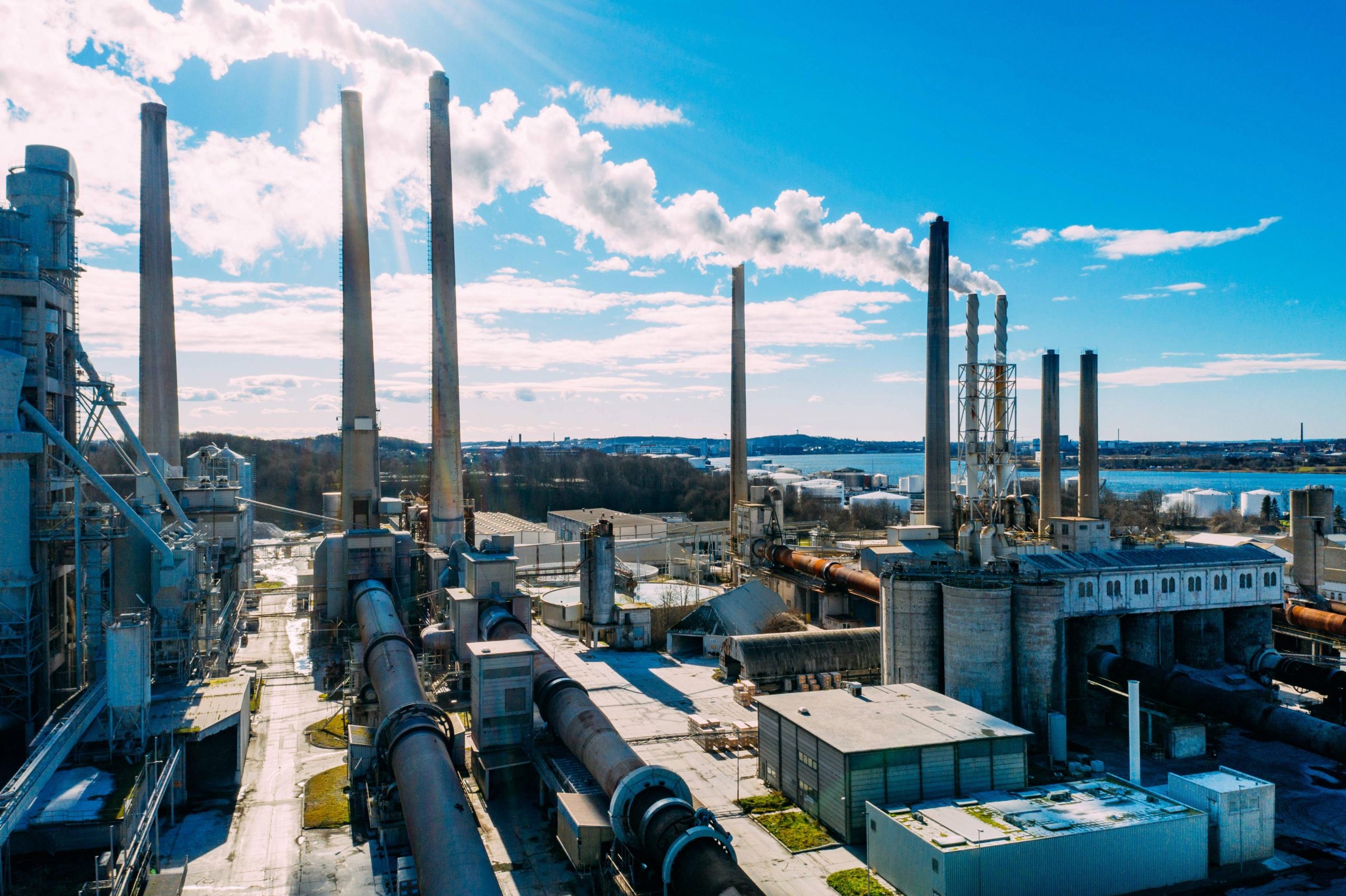
Instead of releasing flue gas from grey and white cement production into the atmosphere, exhaust gases are diverted directly from the manufacturing kilns into the capture facility. This enables simultaneous full-scale capture across dual production streams within a single integrated unit.
2

Purification & Cryogenic Cooling (Air Liquide Cryocap™)

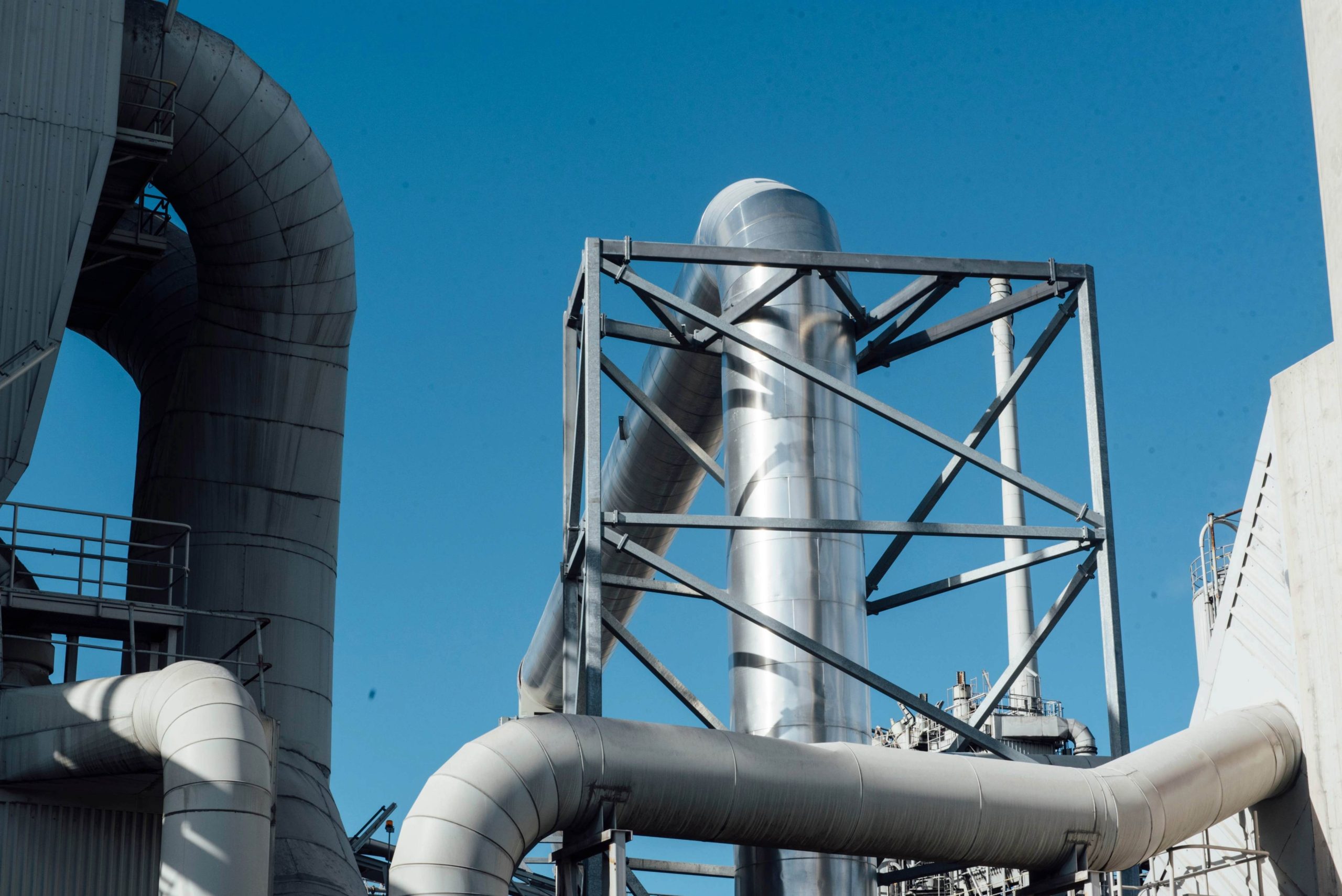
Powered by Air Liquide’s solvent-free Cryocap™ technology, the incoming flue gas is thoroughly purified of impurities, concentrated, and cooled down to extremely low cryogenic temperatures using energy from renewable sources.
3

Condensation & Pure CO₂ Extraction

The extreme cold causes the CO₂ to condense into liquid form, allowing high-purity CO₂ to be efficiently extracted, while only a completely clean and treated stream of gas is released into the atmosphere.
4

Gaseous Transport via Pipeline

The extracted pure CO₂ is converted into a gaseous state optimized for safe, high-volume transport. It is then fed directly into integrated underground pipeline infrastructure leading to the onshore storage site.
5

Permanent Geological Storage

The CO₂ is injected approximately 2 kilometers deep into stable Danish geological formations. Impermeable layers of compressed clay guarantee secure, permanent, and irrevocable containment deep underground.

Powering Local Homes with Surplus Energy

Capturing and compressing CO₂ generates significant thermal energy. Instead of releasing this excess energy into the environment, ACCSION integrates advanced heat recovery systems directly into North Jutland’s municipal energy network. High-efficiency heat exchangers capture up to 80 MW of residual thermal energy generated during flue gas cooling and compression. This recovered energy is fed straight into the local district heating grid, supplying clean, zero-emission heat to approximately 19,100 households across Northern Jutland. By repurposing industrial byproducts directly for community heating, the project creates a fully circular link between heavy industrial decarbonisation and local energy infrastructure.

Locking Carbon in Earth’s Natural Vaults

Permanent geological storage relies on proven natural containment mechanisms, multi-barrier engineering, and continuous real-time monitoring to guarantee absolute safety and long-term isolation. The compressed CO₂ is injected approximately 2,000 metres deep into porous geological formations located far beneath drinking-water aquifers. At depths below 800 metres, ambient pressure and temperature keep the CO₂ in a dense, fluid-like supercritical state, which drastically reduces its volume and ensures stable behaviour underground. Primary containment is secured by thick, dense caprock layers of compressed clay that form an impenetrable geological seal above the reservoir. Over time, the injected CO₂ dissolves into surrounding formation fluids and reacts with minerals to permanently convert into solid rock. To guarantee operational integrity and prevent migration, the entire site is monitored 24/7 through continuous seismic surveillance, wellbore pressure indicators, and surface sampling.

Cutting 1.4 Million Tonnes of Emissions Annually

ACCSION is a flagship initiative that transforms ambition into immediate, large-scale industrial decarbonisation, setting a benchmark for hard-to-abate sectors across Europe. By capturing up to 1.4 million tonnes of CO₂ annually across both grey and white cement production lines, the facility proves that essential building materials can achieve net-zero process emissions without compromising product quality.

This annual reduction represents the single largest contribution toward Denmark’s required 2030 industrial greenhouse gas reduction targets, accounting for 38% of the national goal. On a continental scale, ACCSION demonstrates Europe’s first integrated onshore CCS value chain, establishing a scalable and repeatable blueprint for heavy manufacturing aligned with the EU 2050 climate-neutrality objectives.

Stay updated on the ACCSION journey

Follow the latest project milestones, technical developments, and news as we build Europe’s first integrated onshore CCS value chain. Visit our news section to read press releases, progress updates, and insights from our team.